

Trustpilot

Excellent
UNEVEN SKIN TONE TREATMENT IN LEEDS | PARK SQUARE CLINIC
“Uneven Skin Tone ”
You deserve answers, not another serum.
You have spent money on the serums. The vitamin C, the niacinamide, the retinol. Every morning you have worn the SPF religiously and still woken up to the same dark patches, the same redness, the same uneven skin tone staring back at you. It is not because you are doing something wrong. It is because what is happening to your skin is happening beneath the surface, where no product you can buy over the counter will reach it.
Uneven skin tone treatment at Park Square Clinic Leeds starts where the creams stop. We use advanced, non-surgical treatments to target your specific type of discolouration, whether that is pigmentation, rosacea or sun damage. Specifically, our approach is clinically led, medically supervised and begins with understanding your skin at a cellular level.
What is Uneven Skin Tone?
Look closely at the areas that bother you. If you are seeing dark spots, brown patches, or areas that look noticeably darker than the skin around them, that is a pigmentation issue. Your melanocytes, the cells responsible for producing melanin, your skin’s pigment, have gone into overdrive in those areas. Essentially, they are producing more melanin than they should, and it is pooling visibly in the skin.
Conversely, if what you are noticing is more of a persistent redness, flushing that comes and goes, or fine blood vessels showing through the skin on your cheeks and nose, that is a vascular issue. The blood vessels beneath your skin have become permanently dilated, and they are not going to shrink on their own.
Naturally, some people deal with one or the other. Many are dealing with both at the same time, which is why the problem can feel so stubborn and so confusing. In fact, what makes an uneven complexion particularly frustrating is that it has multiple causes working together, and a product that targets one will not touch the other. That is where professional skin pigmentation treatment makes the difference.
What Causes Uneven Skin Tone?
When we assess your skin, we are looking for the trigger. Sometimes it is obvious. Sometimes it is a combination that has been building in the background for years.
The sun is almost always involved. Every time ultraviolet light hits your skin, your melanocytes respond by producing extra melanin to protect the cells underneath. As a result, do that enough times over enough years and you are left with a permanent record: sun spots, freckling, darkened patches across your cheeks and forehead. Clinically we call these solar lentigines, and they are the single most common form of pigmentation we treat.
Hormones are the next most common driver. If you have noticed patches appearing during pregnancy, after starting the contraceptive pill, or as you have moved into perimenopause, there is a strong chance you are dealing with melasma. It presents as symmetrical brown or grey patches, typically across the cheeks and upper lip, and it is directly linked to fluctuations in oestrogen and progesterone.
Inflammation, Ageing and Genetics
Then there is inflammation. If you have ever had acne, eczema, or even an overly aggressive facial, you may have noticed dark marks left behind long after the original problem healed. That is post-inflammatory hyperpigmentation. Your melanocytes overreacted during the healing process and deposited excess pigment. In deeper skin tones, this response is often more pronounced and more persistent.
Over time, age compounds everything. Cell turnover slows. Collagen production declines. Pigment that once cycled out as your skin renewed itself now sits there, visible and stubborn. Meanwhile, blood vessels lose their elasticity and facial redness becomes harder to ignore.
Furthermore, genetics tie it all together. Your susceptibility to rosacea, your melanocyte sensitivity, how your skin handles UV exposure, all of that is inherited. If your mother dealt with pigmentation, the chances are you will too.
For further reading on how UV exposure affects the skin, the British Association of Dermatologists provides an evidence-based overview.
Types of Uneven Skin Tone We Treat
When you book a consultation, one of the first things we do is work out exactly what type of uneven skin tone you are dealing with. It matters, because each one behaves differently and responds to different things.
Rosacea is the one most people recognise but rarely name. If your face flushes easily, if redness sits permanently across your cheeks and nose, if you can see tiny blood vessels through the skin, that is likely rosacea. However, it is chronic, meaning it does not go away on its own, but the visible symptoms respond remarkably well to targeted light-based treatment. Most of our rosacea patients see a significant difference within a few sessions.
Hyperpigmentation covers everything from isolated dark spots to larger patches of darker skin. The common thread is excess melanin. What varies is the trigger: sun damage, hormones, inflammation, or a combination. Hyperpigmentation on the face is the most common concern we see, and it responds well to treatment once we have identified what caused it.
Melasma, Age Spots and Post-Inflammatory Pigmentation
Melasma deserves its own mention because it behaves differently. It is hormonally driven, tends to appear symmetrically, and can be reactivated by heat and UV exposure even after you have had it treated. That means it needs a more layered, cautious approach than other forms of hyperpigmentation.
Age spots are the flat, well-defined dark patches you might notice on your face, hands and chest. In fact, they are caused by accumulated sun exposure rather than ageing itself. Essentially, they are your skin’s UV history written on the surface.
Post-inflammatory hyperpigmentation is the shadow that stays after acne, a burn, or a rash has healed. The mark can linger for months, sometimes years, particularly if your skin tone is naturally deeper. Fortunately, it does respond well to the right combination of treatment and homecare.
Understanding which type you have is the starting point. Everything we recommend follows from that.
How to Treat Uneven Skin Tone
Rather than offering a single generic brightening treatment and hoping for the best, we take a different approach. At Park Square Clinic, we match the technology to the diagnosis. Light energy for redness and vascular concerns. Controlled exfoliation for surface pigmentation. Regeneration therapies for deeper, more established discolouration. Ultimately, the goal is an even skin tone that looks like yours, not one achieved by masking the problem.
Every treatment plan begins with a thorough skin assessment. First, we examine the type and depth of your pigmentation. Then, we assess your skin type and sensitivity levels. Finally, we recommend a personalised combination of treatments designed to restore clarity and an even complexion.
Uneven Skin Tone Treatments at Park Square Clinic Leeds
Ultimately, from targeted laser energy that breaks down pigmentation to enzyme therapies that gently resurface the skin, our clinicians select the right combination for your specific concerns. Here is a closer look at the treatments we recommend most often for uneven skin tone.
Etherea MX IPL Photorejuvenation
Our FDA-cleared Etherea MX system is the most versatile laser treatment for pigmentation and redness in the clinic. It delivers precise pulses of broad-spectrum light energy into the skin, and that energy is absorbed by two targets: melanin in pigmented areas and haemoglobin in dilated blood vessels. When melanin absorbs the light, it fragments. Your body clears the broken pigment naturally over the following weeks and the dark spot lifts. When haemoglobin absorbs it, the vessel walls coagulate, collapse and seal shut. The redness fades as the sealed vessel is reabsorbed. One system, two mechanisms, and one of the most effective approaches to both pigmentation and rosacea we have in the clinic
Chemical Peels
A peel does something no serum can do from the outside: it gets beneath the damaged layer and removes it. We apply a controlled acid solution that dissolves the bonds holding dead, unevenly pigmented cells to the surface. As those cells shed, your skin’s own renewal process kicks in, bringing fresher, more even cells through. The depth and formulation of the peel depends on what we are treating. A lighter peel suits mild sun damage. A stronger formulation targets deeper hyperpigmentation, melasma and stubborn age spots. We choose based on your skin type, your concern and how your skin has responded in the past.
Microneedling (Collagen Induction Therapy)
Microneedling works by creating thousands of tiny, controlled channels across the skin using fine sterile needles. This sets off the body’s wound-healing cascade: fresh collagen production, new elastin, accelerated cell turnover. As the skin rebuilds, melanin distribution evens out and areas of post-inflammatory hyperpigmentation gradually fade. We recommend collagen induction therapy particularly for skin tone correction when pigmentation sits alongside texture concerns, because the regeneration process improves both at the same time.
HydraFacial for Skin Brightness
HydraFacial uses patented vortex technology to deep-cleanse, exfoliate and infuse the skin with targeted serums in one session. For uneven skin tone, it strips away the dull, unevenly pigmented surface layer and delivers anti-ageing and brightening actives directly into the skin beneath. No downtime, no discomfort, and an immediate visible difference. It works well on its own for mild concerns and as a preparation treatment before more intensive procedures like IPL or a chemical peel.
Enzyme Therapy for Pigmentation
Not every skin can tolerate acid. Enzyme therapy offers a gentler route, using naturally derived biological enzymes to break down the proteins that bind dead, pigmented cells to the surface. Rather than stripping the skin, it works with it. Cell turnover increases gradually, fresher skin comes through, and the overall tone becomes more even over a course of treatments. We often recommend enzyme therapy for patients with sensitive or reactive skin who still want real, visible progress with their skin pigmentation treatment.
Calecim Professional Skin Rejuvenation
Calecim delivers concentrated stem cell-derived growth factors directly into the skin. These growth factors do something important: they signal your cells to repair, regenerate and regulate. For uneven skin tone, that means accelerated healing, more balanced melanocyte activity and pigment production that behaves more evenly. We often pair Calecim with microneedling to drive those growth factors deeper, or use it during recovery after a peel to support faster, more uniform healing.
Treatment Options
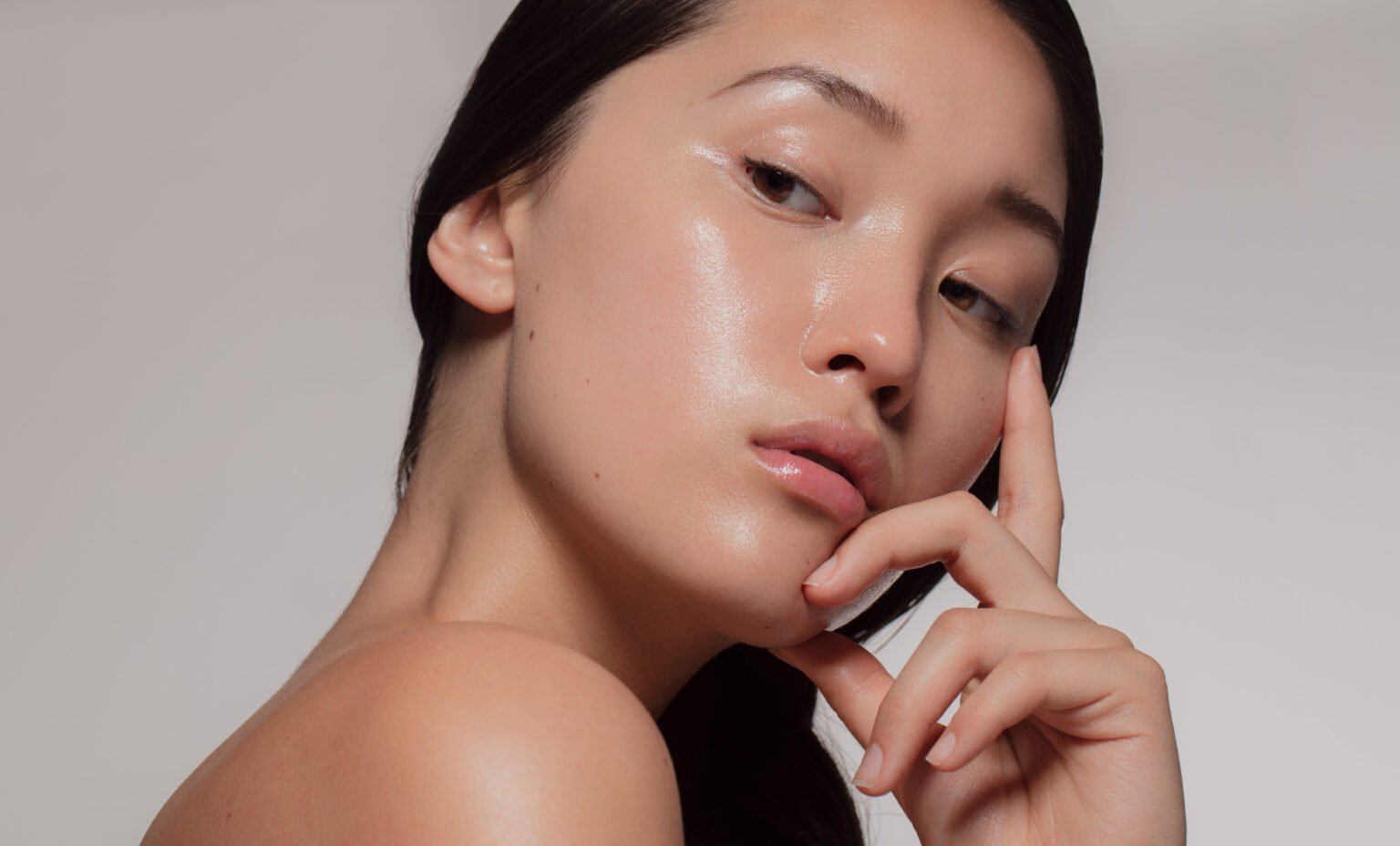
Microneedling
Collagen induction therapy that triggers regeneration and evens out melanin distribution.

Chemical Peels
Controlled exfoliation that sheds damaged cells and accelerates your skin’s natural renewal.
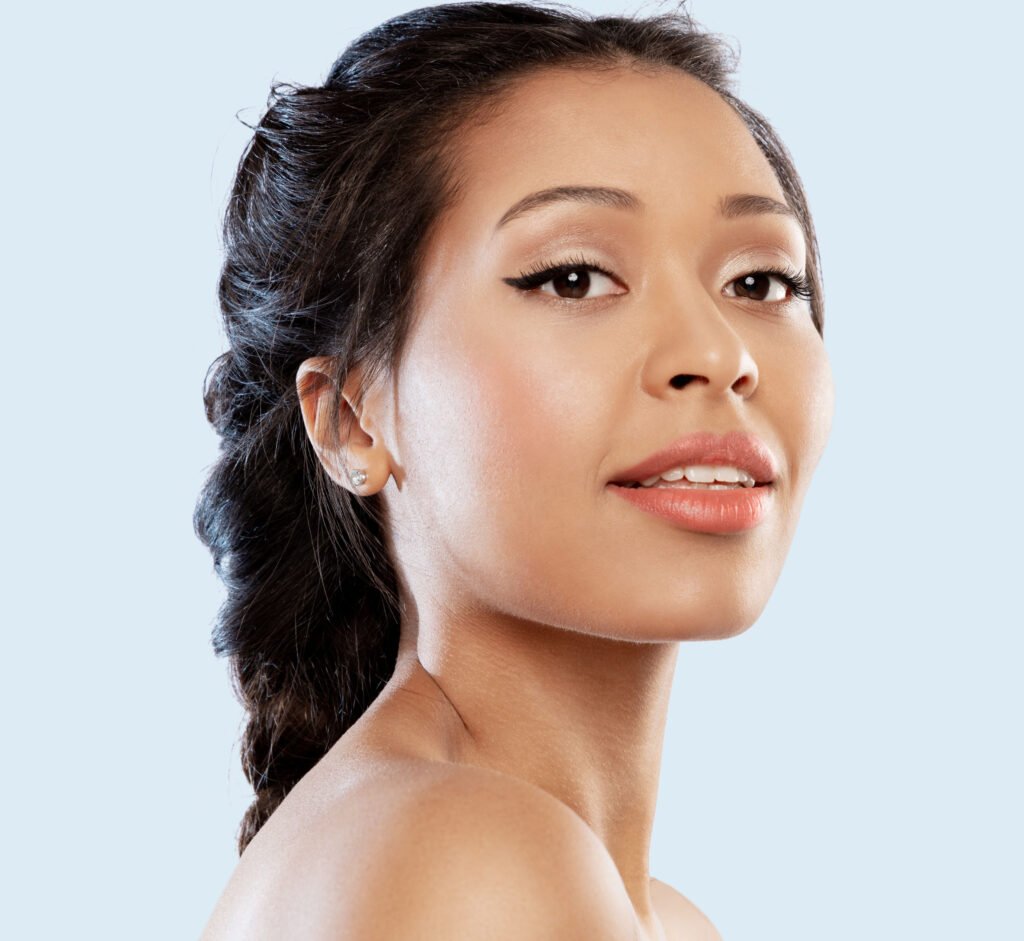
Etherea MX
Targeted light energy that breaks down pigment and seals dilated blood vessels beneath the skin.
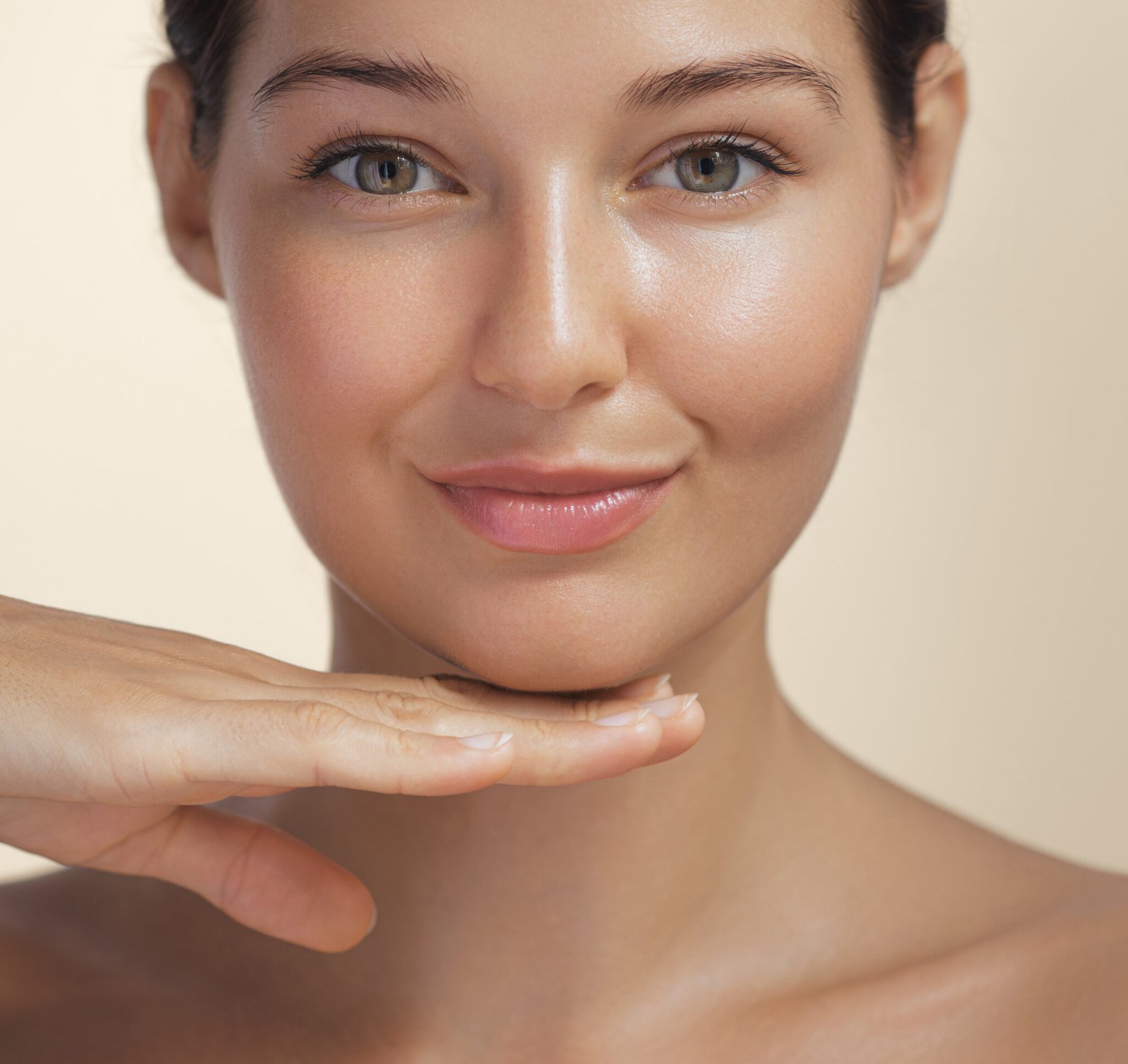
HydraFacial
Deep cleansing with brightening serum infusion for immediate visible radiance.
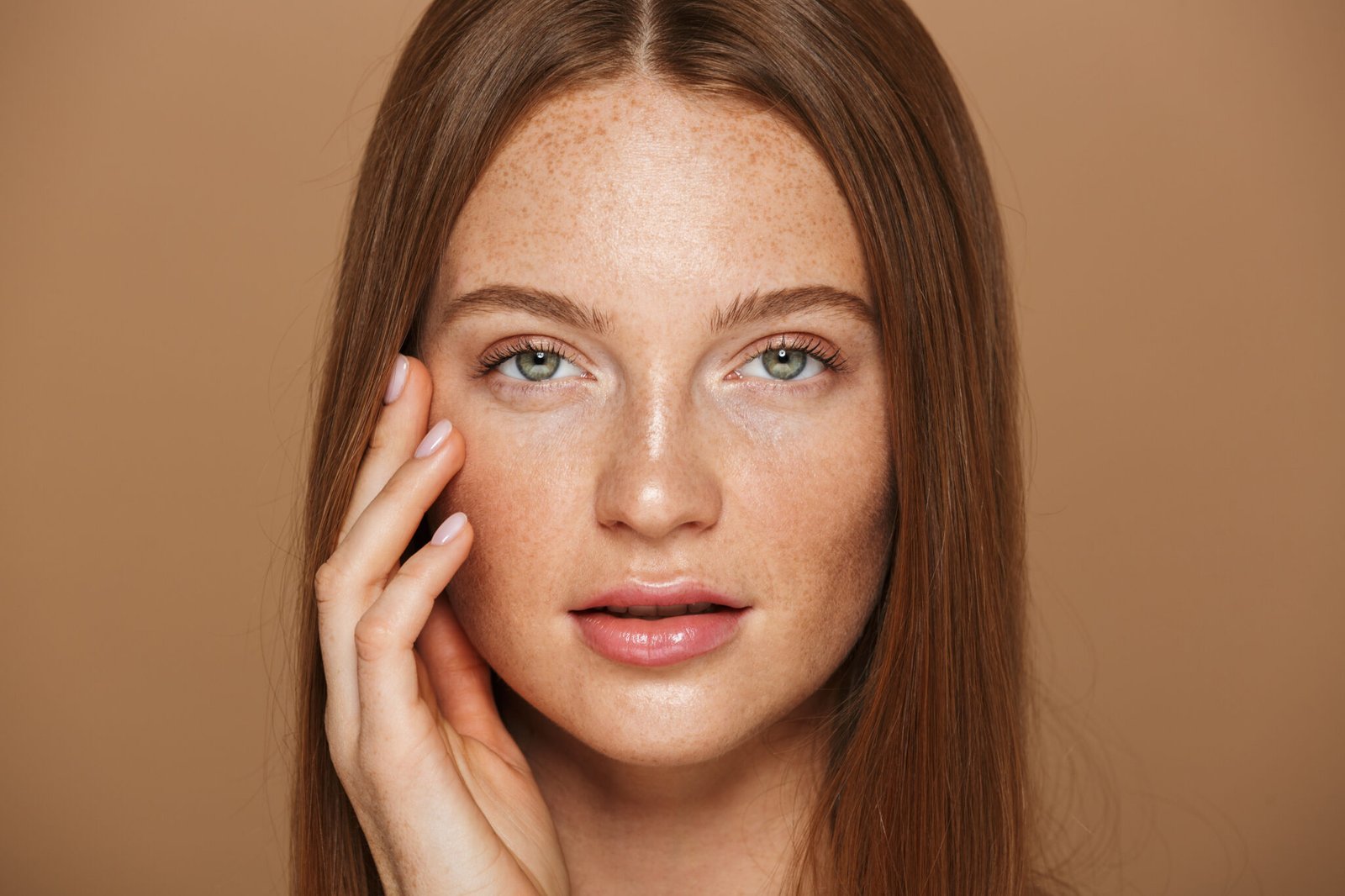
Enzyme Therapy
Gentle biological exfoliation for sensitive skin that can’t tolerate acid-based treatments.

Calecim
Stem cell growth factors that regulate pigment production and accelerate cellular repair.
FAQs
Can rosacea be cured?
Is there any downtime?
How many sessions will I need?
What causes uneven skin tone on the face?
What skincare should I use between sessions?
Are these treatments safe for darker skin tones?
How does IPL treatment work for pigmentation?
How do I know which treatment is right for me?
Will my pigmentation come back after treatment?
What is the difference between hyperpigmentation and melasma?
Face
Enhance your natural features with advanced treatments like Hydrafacial and fillers for a refreshed, balanced look.
Skin
Revitalise and restore your complexion with innovative skin treatments that improve texture, tone, and long-term health.
Body
Shape and refine your body with non-invasive treatments designed to target stubborn areas and boost confidence.
Hair
Support healthy growth and scalp wellness with specialised therapies tailored to restore strength and vitality.
⎯⎯⎯ Contact Form
Not sure where
to start?
Answer a few questions and we’ll point you toward the right consultation. There are no recommendations to buy — just a starting point for a proper conversation in clinic.